Galvanic isolators: Instant protection for your narrowboat hull
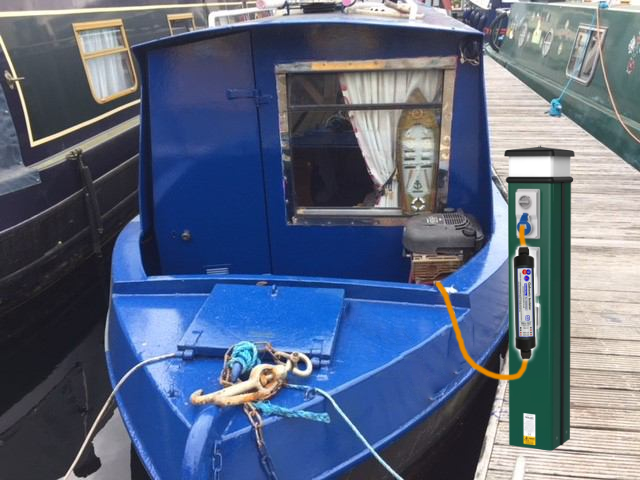 For any narrowboat that spends time on shoreline power, a galvanic isolator is one of the simplest and cheapest ways to cut hull corrosion and avoid big repair bills later on. By blocking damaging low‑level currents from the marina earth while keeping your safety earth intact, it helps your anodes and steelwork last much longer.
What is galvanic corrosion on a narrowboat hull?
When different metals are connected together and sitting in water, they create a tiny “battery” that slowly eats away the softer metal. On a steel narrowboat this usually means your sacrificial anodes corrode first, but once they are used up or overloaded the corrosion moves on to your hull, prop and other underwater fittings.
Most narrowboats don’t have nearly enough anodes fitted, leaving the boat’s steel/aluminium hull at risk. Roughly speaking, an anode protects an area of steel around 7 times its length/width. When insufficient anodes are fitted, they can be thought of as overloaded.
If your boat is plugged into shore power, its metalwork is also electrically linked to other boats and metal pontoons through the earth connection. Any small voltage differences between boats and the marina structure can drive extra corrosion, leading to rapid anode loss, deep pitting and steel thinning that surveyors see all too often.
What does a galvanic isolator do?
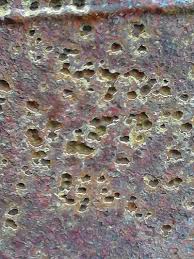
A galvanic isolator sits in the shorepower earth connection and acts as a smart one‑way valve for electricity. It blocks the small, low‑voltage DC currents (typically around 0.4–0.8 V) which cause galvanic corrosion, but still lets full‑voltage fault currents flow instantly so your RCDs and breakers trip as they should in an emergency.
In simple terms: it disconnects your hull from everyone else’s corrosion problems, without disconnecting you from shorepower safety. You keep all the convenience of a marina hook‑up, but dramatically cut the hidden hull damage that can come with it.
Key benefits for narrowboat owners
Fitting a galvanic isolator brings several long‑term benefits that go straight to your maintenance budget and resale value.
- Slower hull wastage and less pitting seen when the boat is next out for blacking.
- Anodes that last longer and work on protecting your own boat instead of feeding the whole marina.
- Better protection for props, shafts, skin fittings and other underwater metals.
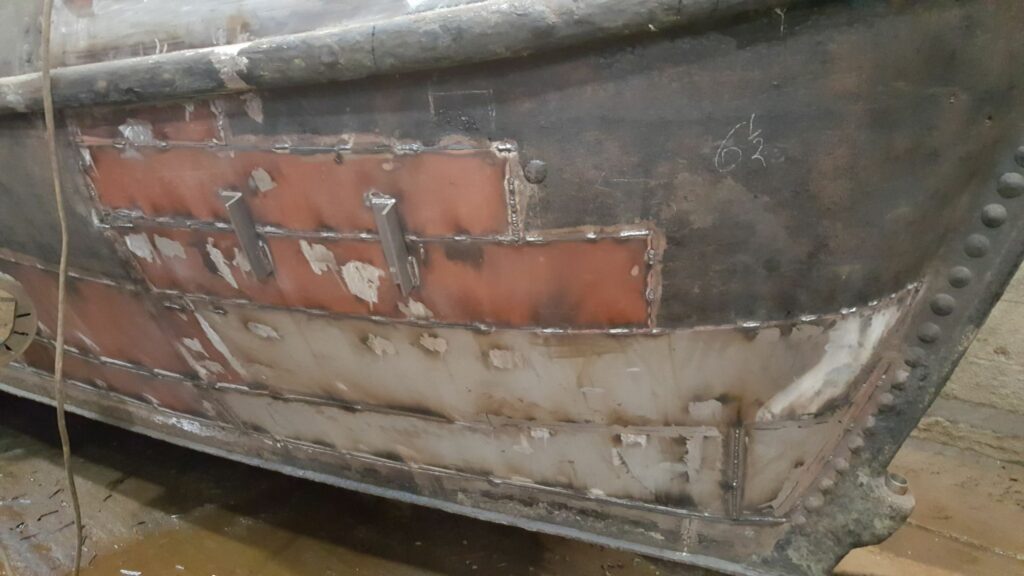
- Reduced risk of expensive replating or overplating caused by accelerated corrosion.
Surveyors and boatyards strongly recommend galvanic isolation for all steel boats on shorepower, because they can see the difference between protected and unprotected hulls on the slipway. Compared with the cost of welding, shot‑blasting etc., a quality galvanic isolator is a modest outlay that can pay for itself many times over.
Galvanic isolator vs isolation transformer
Both galvanic isolators and isolation transformers are used to fight galvanic corrosion, but they do it in different ways.
|
Solution |
How it protects your boat |
Typical cost / complexity |
|
Galvanic isolator |
Blocks low‑level DC voltages on the shore earth, keeps safety earth. |
Relatively low cost, compact, simple to fit. |
|
Isolation transformer |
Separates the boat from the shore electrical system. |
Much more expensive and bulky, often needs professional installation. |
For most narrowboat owners on UK inland waters, a galvanic isolator offers an excellent balance of protection, price and ease of installation. If you like a “belt and braces” approach and have the budget and space, an isolation transformer is another option, but it is rarely essential for canal boats.
Installation and day‑to‑day use
 Modern galvanic isolators are designed to be straightforward for ordinary boat owners to use. You can choose from:
- Plug‑in units that simply go inline with your existing hook‑up lead, needing no tools or wiring.
- Hard‑wired units that are fixed as part of the boat’s AC system by a competent DIYer or marine electrician.
Once fitted correctly, a good isolator is essentially a “fit and forget” device. It works quietly in the background every time you connect to shorepower, reducing galvanic currents so your hull, anodes and underwater fittings stay in better condition between surveys.